Storage should shorten the reset
More storage doesn't automatically help. Deep cupboards packed to the back can make a home harder to use, because you have to unpack three things to reach the fourth. Good small-space storage keeps frequently used items visible and reachable in one move, and puts rarely used items somewhere out of the way, but not forgotten.
A useful rule: the more often you use something, the closer to waist height and to its point of use it should live. Seasonal items, spare bedding and suitcases can go high or deep.
Shallow beats deep
Shelves around 15–25 cm deep hold one row of jars, books or toiletries, so nothing hides behind anything else. They fit into hallways and beside doors where a standard 40 cm bookcase would block the route. A floor-to-ceiling run of shallow shelves can often hold more usable items than a deeper unit, simply because you can see and reach all of it.
 Walls
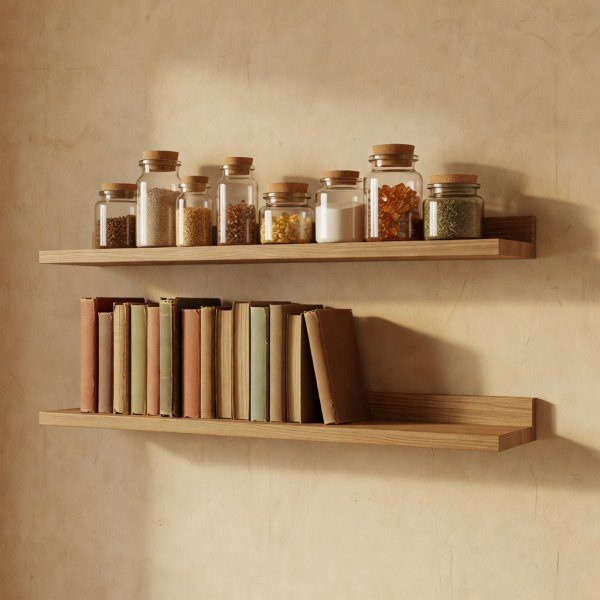
Shallow wall shelving
Ideal for kitchens and hallways. Trade-off: open shelves show everything, so use matching containers if visual calm matters to you.
 Under-stair
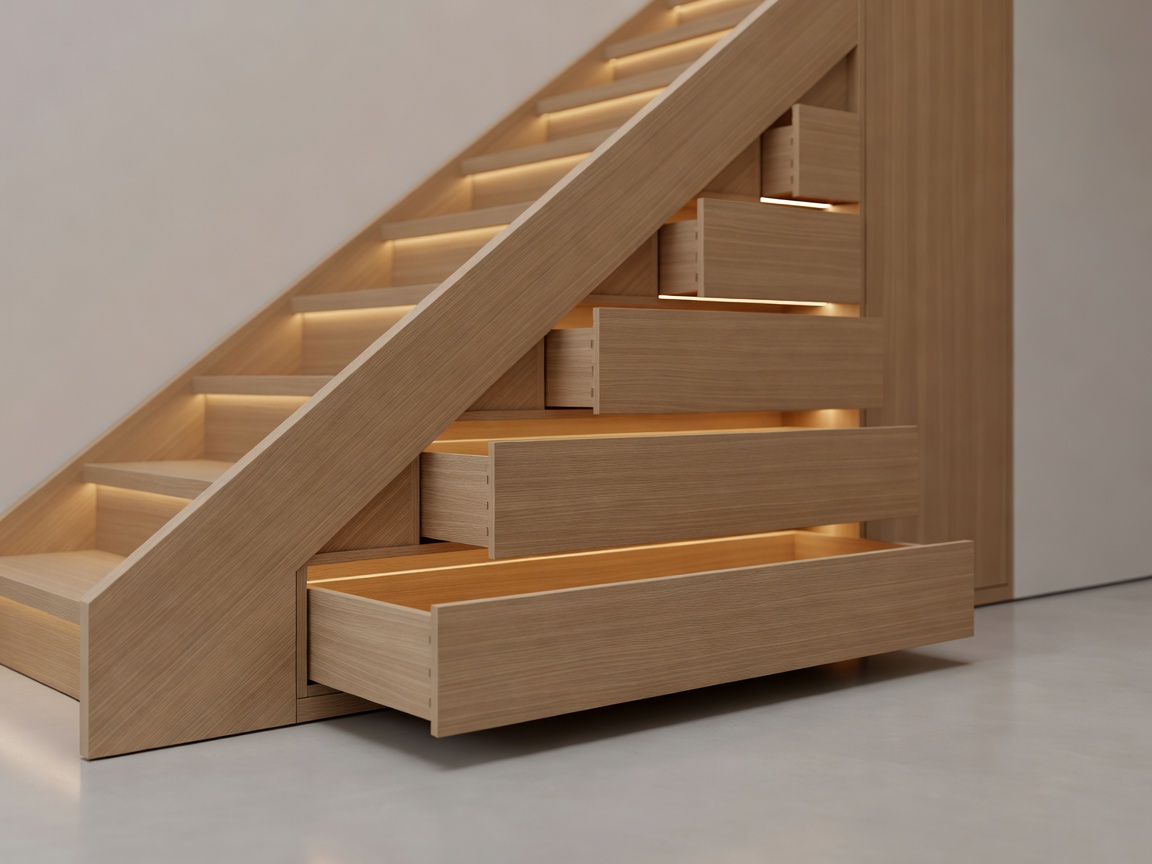
 drawers
Full-depth pull-outs make the back of the triangle reachable. Trade-off: usually a built-in project, better suited to owners.
 Doors
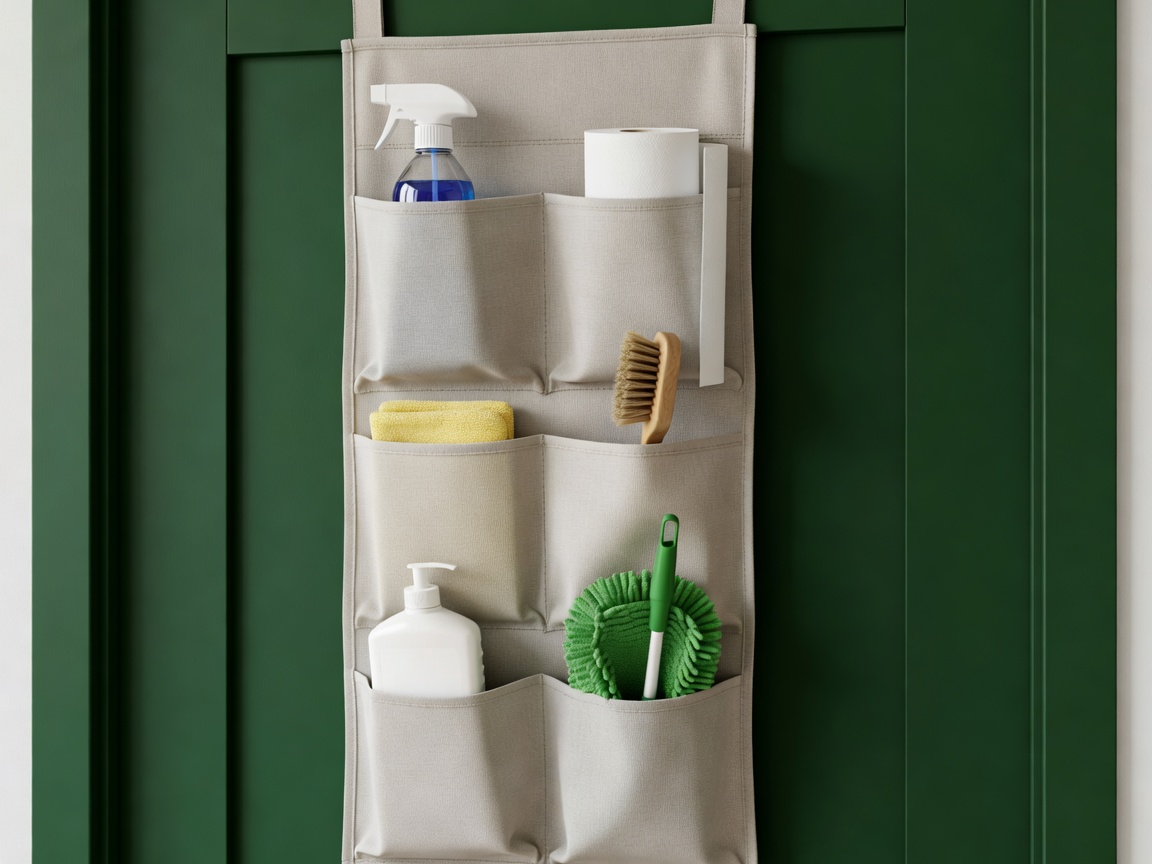
Over-door organisers
No tools, no holes, plenty of pockets for small items. Trade-off: check the door still closes and doesn't rub the frame.
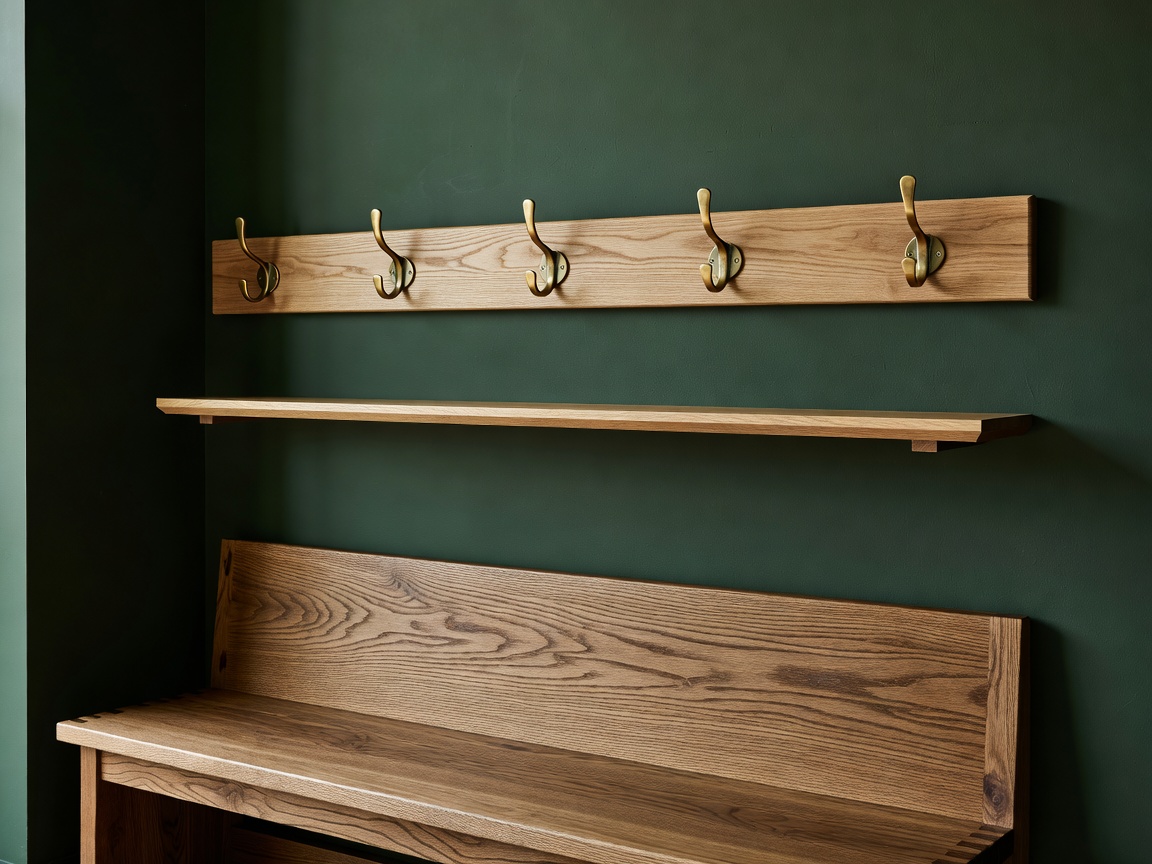 Entry
Entry rail and bench
A compact landing zone for coats, bags and shoes. Trade-off: limit hooks per person, or the rail becomes a second wardrobe.
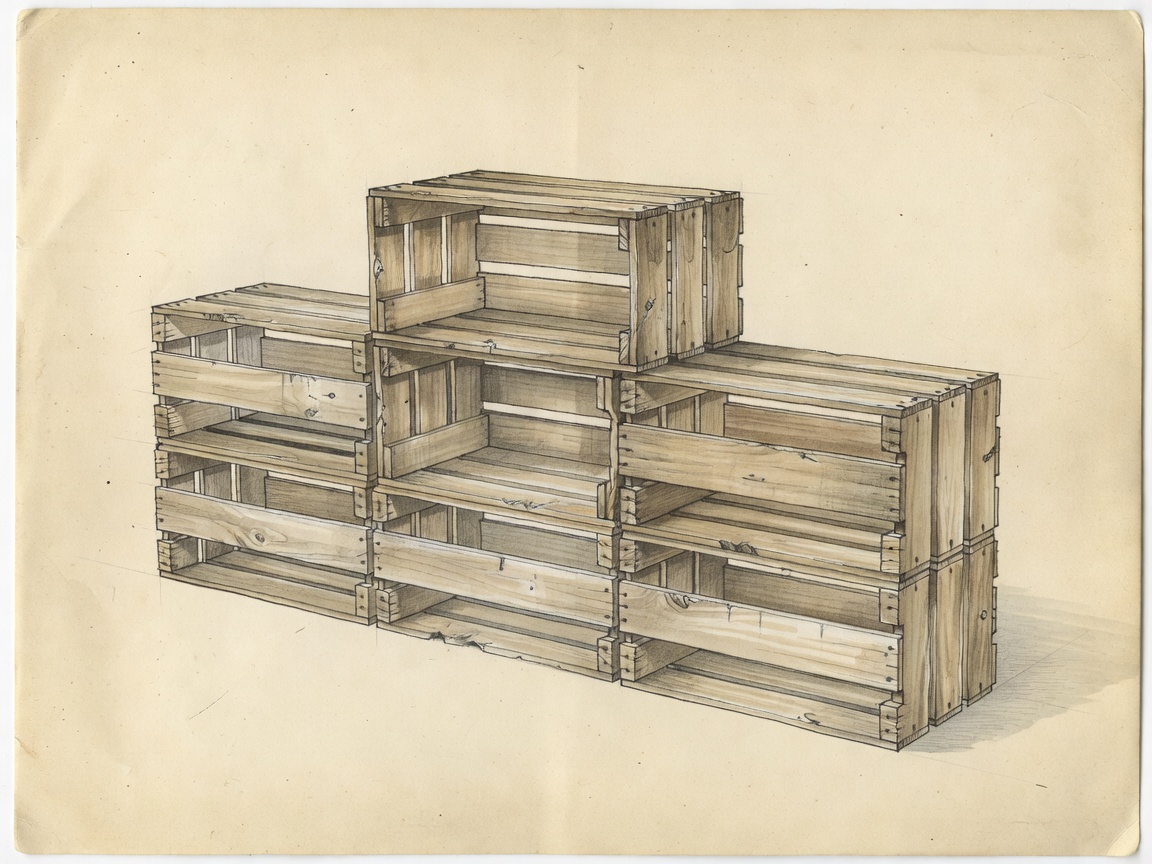 Modular
Stackable crates
Rearrange into shelves, a bedside or a bench base, and they move with you. Trade-off: less stable when stacked high without a wall strap.
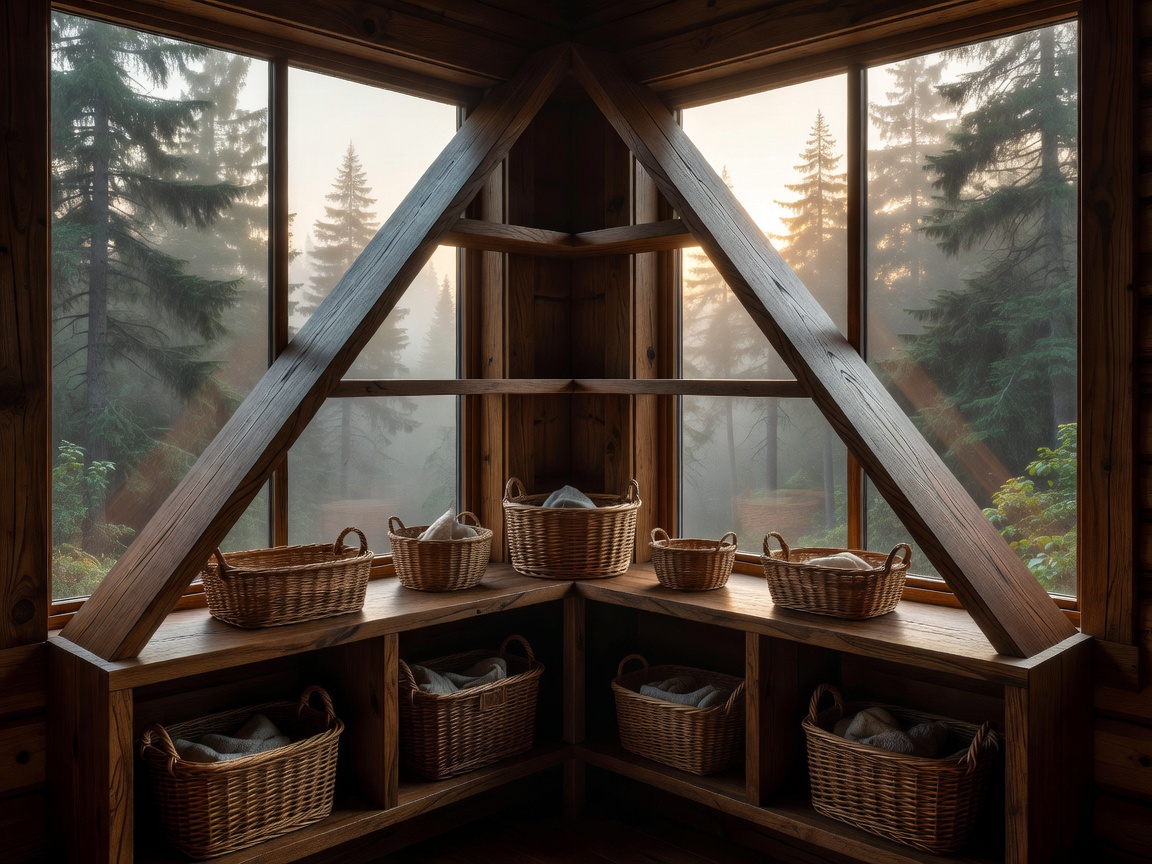 Corners
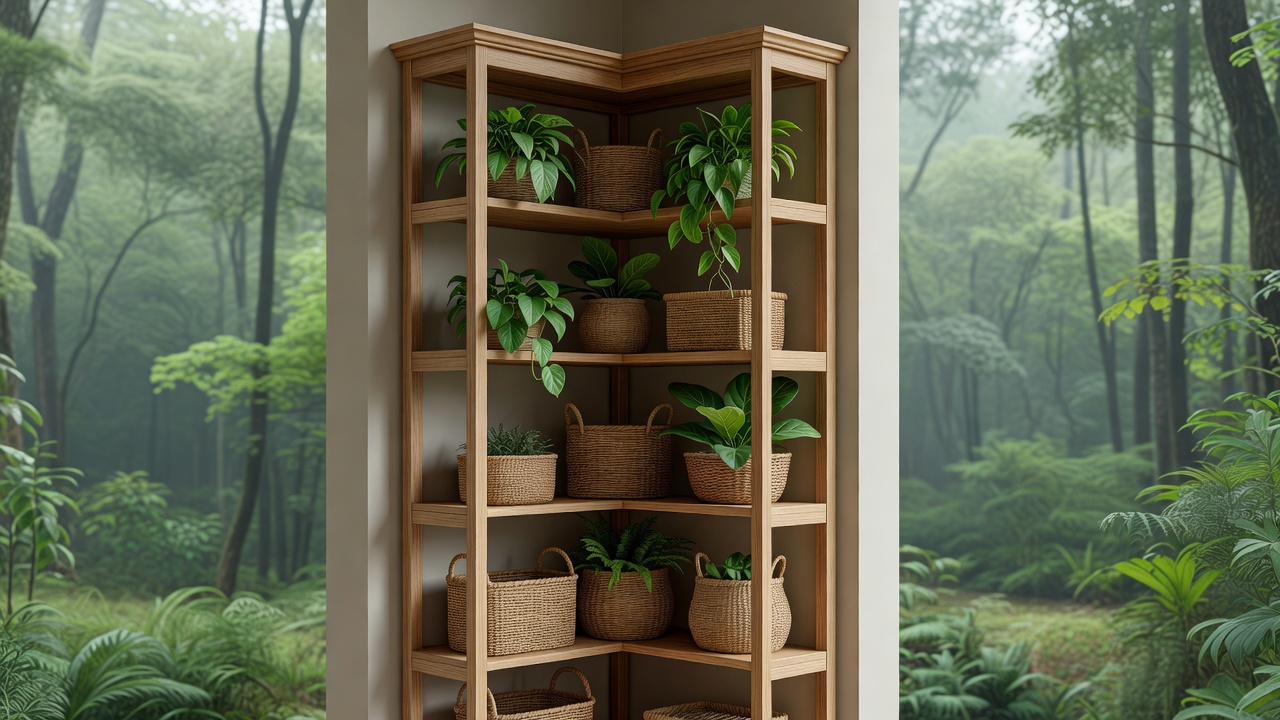
Corner units
Use the dead angle where two walls meet. Trade-off: corner shelves are smaller than they look, so suit them to plants, books or baskets.
Read the floor plan for hidden space
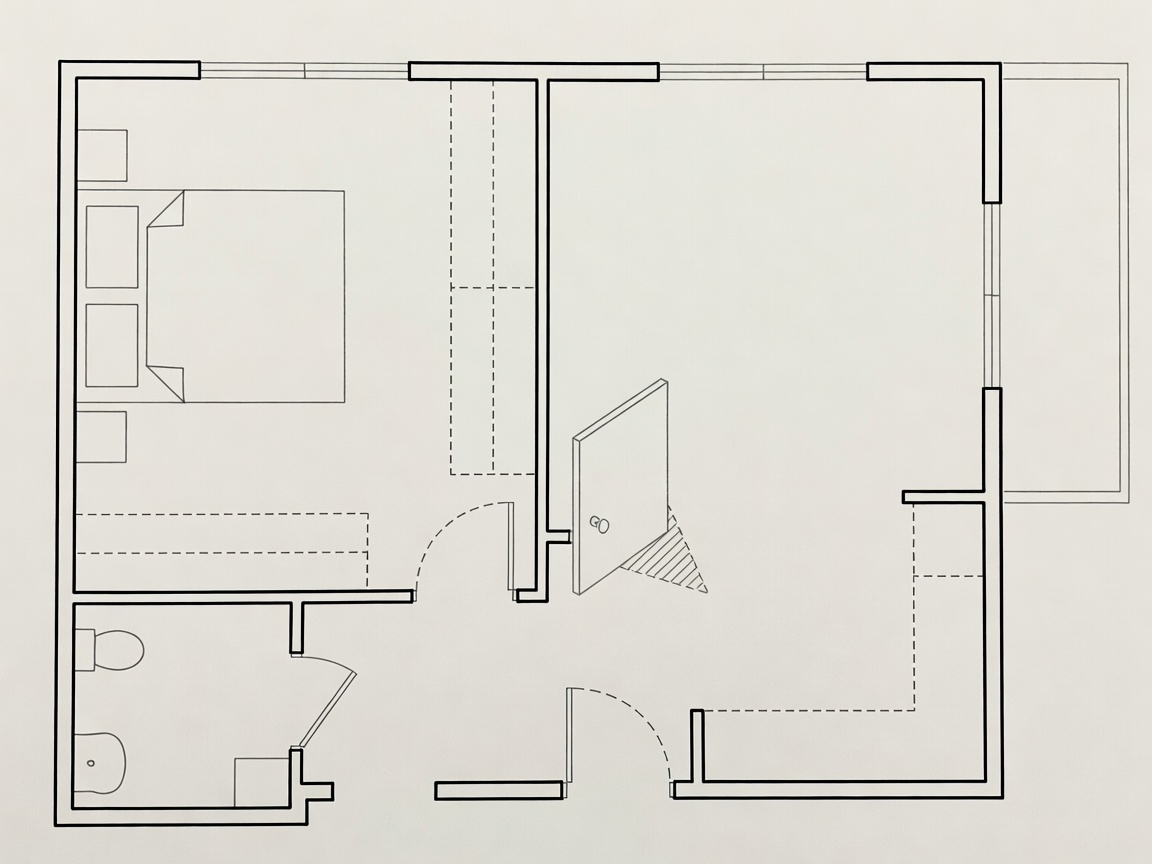
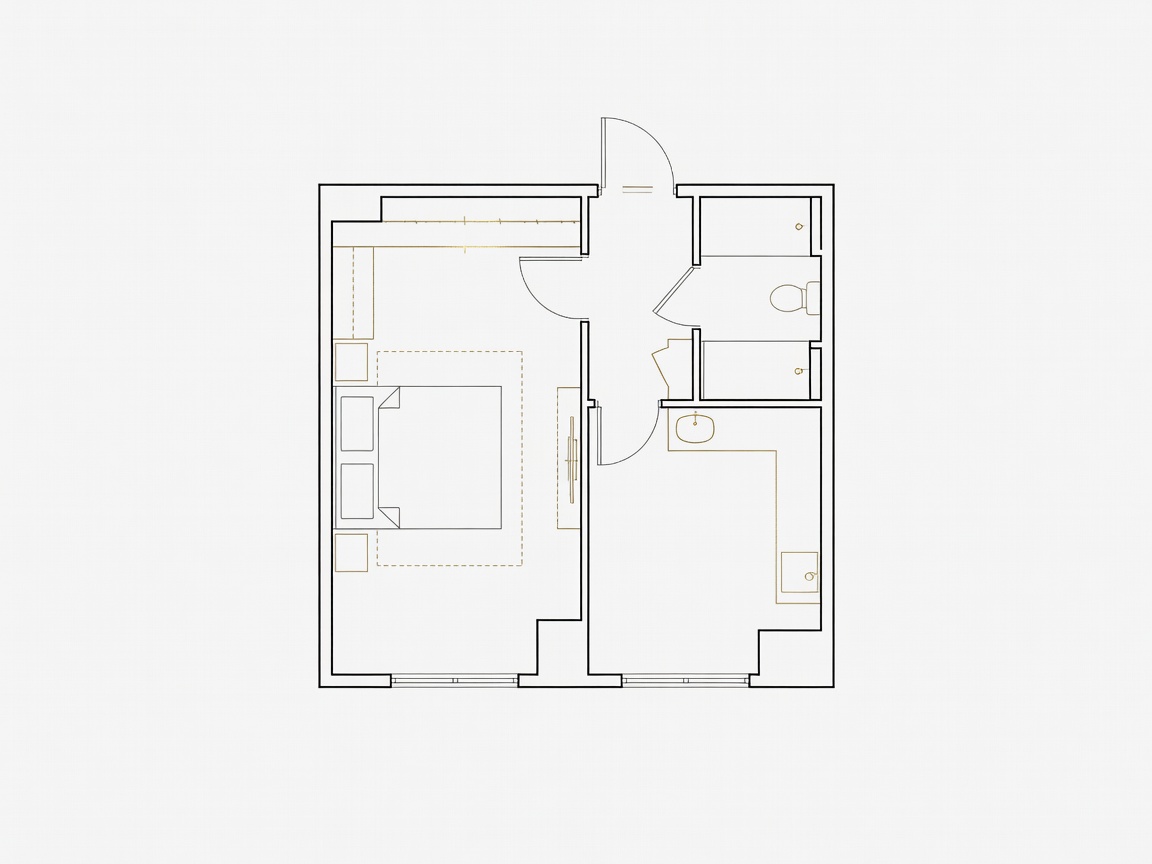
Look at your plan, or sketch one, and mark the vertical spaces: above wardrobes, above the door frame, under the bed, beside the fridge. These zones are rarely in the way of your routes, which makes them ideal for storage that won't create new bottlenecks.
Borrowing from the Japanese genkan
Many Japanese homes have a genkan, a small, slightly lowered entry area where shoes come off before stepping up into the living space. You don't need a step to borrow the idea. A defined mat, a shoe rack and a hook at the door create a clear threshold that stops outdoor clutter spreading into a small home.
Renter-friendly storage
- Tension rods inside alcoves or under sinks for hanging bottles and cloths.
- Removable adhesive hooks, such as 3M's Command range, for lightweight items. Follow load ratings and removal instructions.
- Freestanding ladder shelves that lean rather than screw into walls, ideally with an anti-tip strap if allowed.
- Under-bed boxes on castors, which roll out without lifting the mattress.
Always check your tenancy agreement before fixing anything to walls, and keep a note of any changes so you can restore them when you move out.