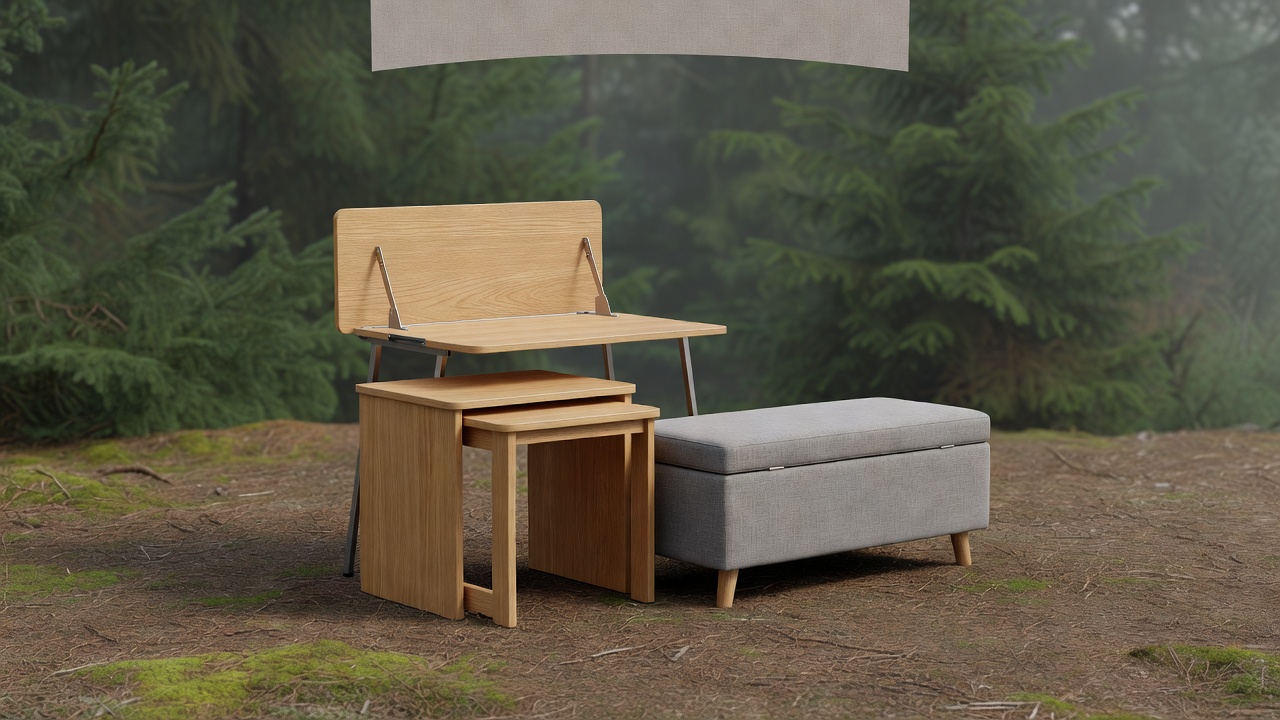
The footprint test
Before buying, ask three questions. How much floor does it occupy, including the clearance needed to open, pull out or sit at it? How many jobs does it do in a typical week? And how long does the transformation take? A storage ottoman that holds blankets, seats a guest and rests your feet passes easily. A sofa bed you open twice a year might still be worthwhile, but mostly as a sofa.
The trap is the transformation you never perform. If converting a piece takes ten minutes and involves moving three other things, it will quietly stay in one mode, and you'll have paid extra for a mechanism you don't use.
 Living
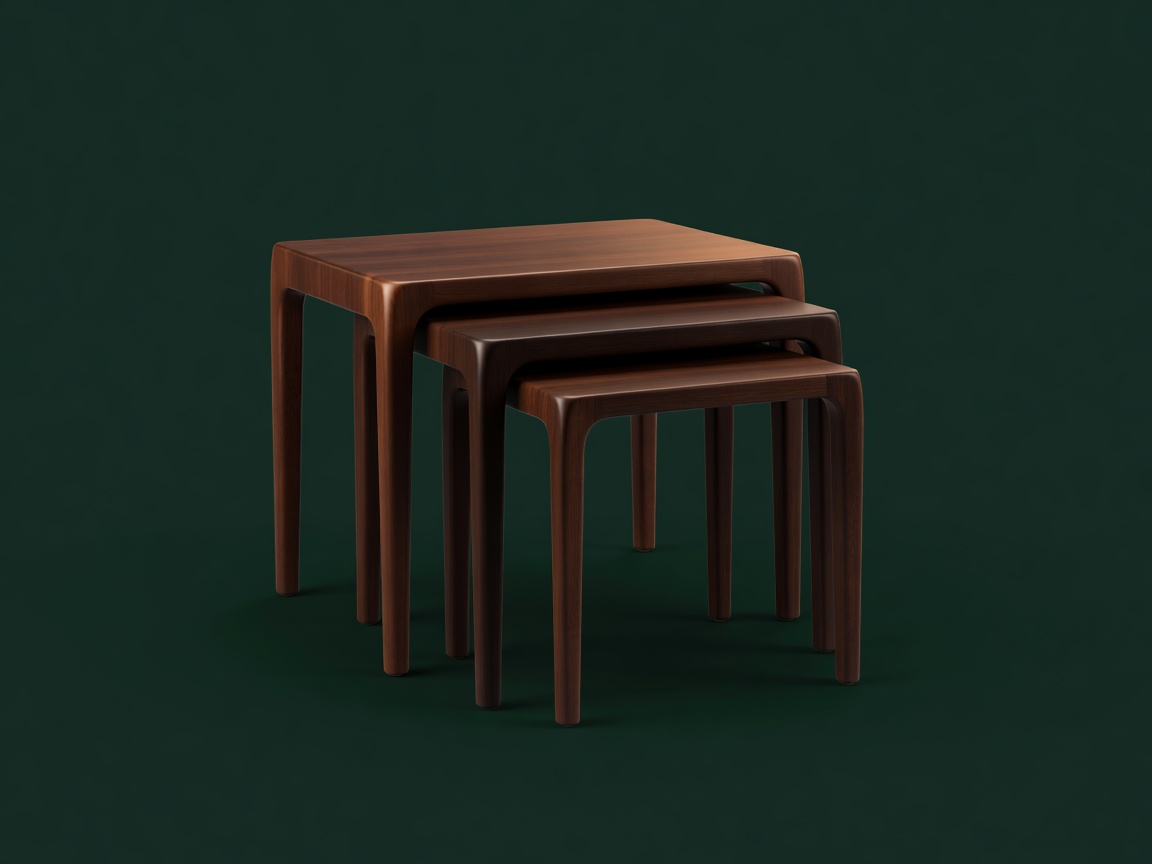
Nesting tables
Tuck away to one footprint and fan out when you need extra surfaces. Lighter than a coffee table and easy to move off a route. Trade-off: smaller surfaces, so not ideal as your main dining spot.
 Work
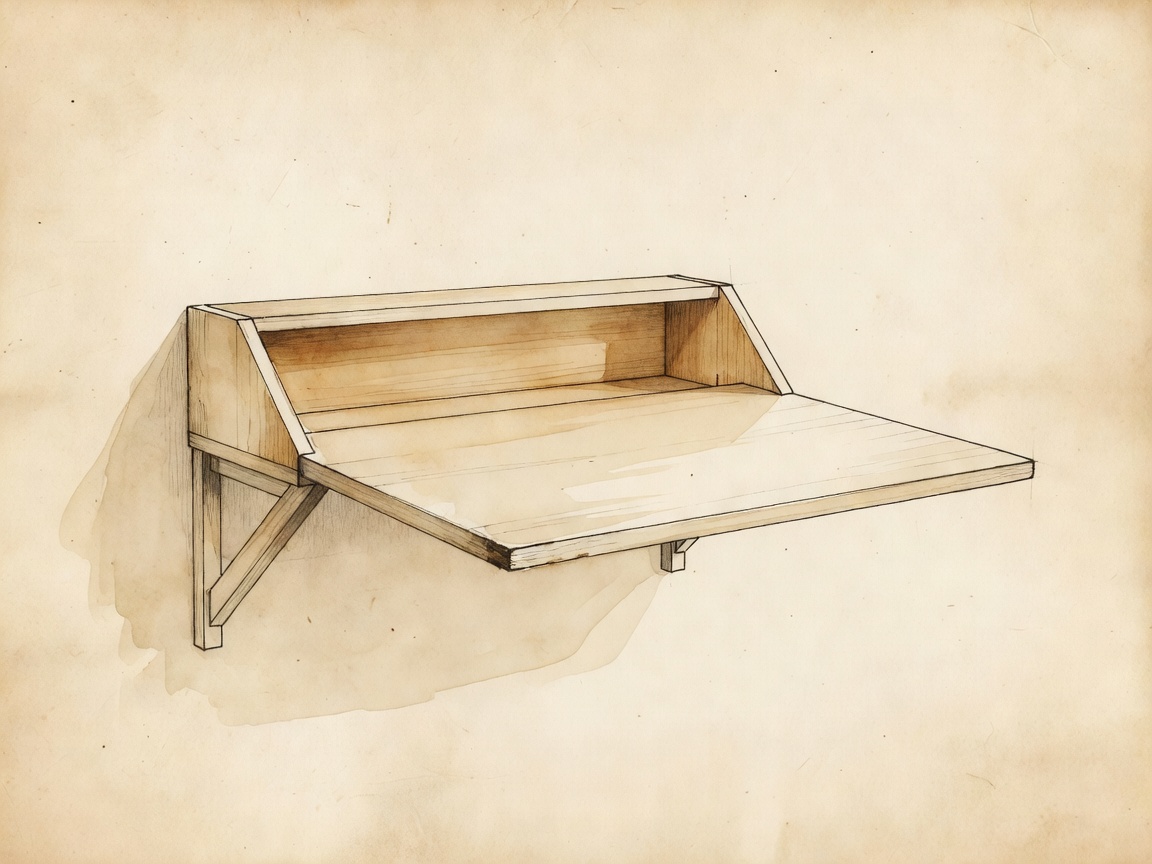
Fold-down desks
Close to a shallow cabinet and put work out of sight at the end of the day. Trade-off: usually needs wall fixings, so renters should ask permission or choose a freestanding secretary desk.
 Seating
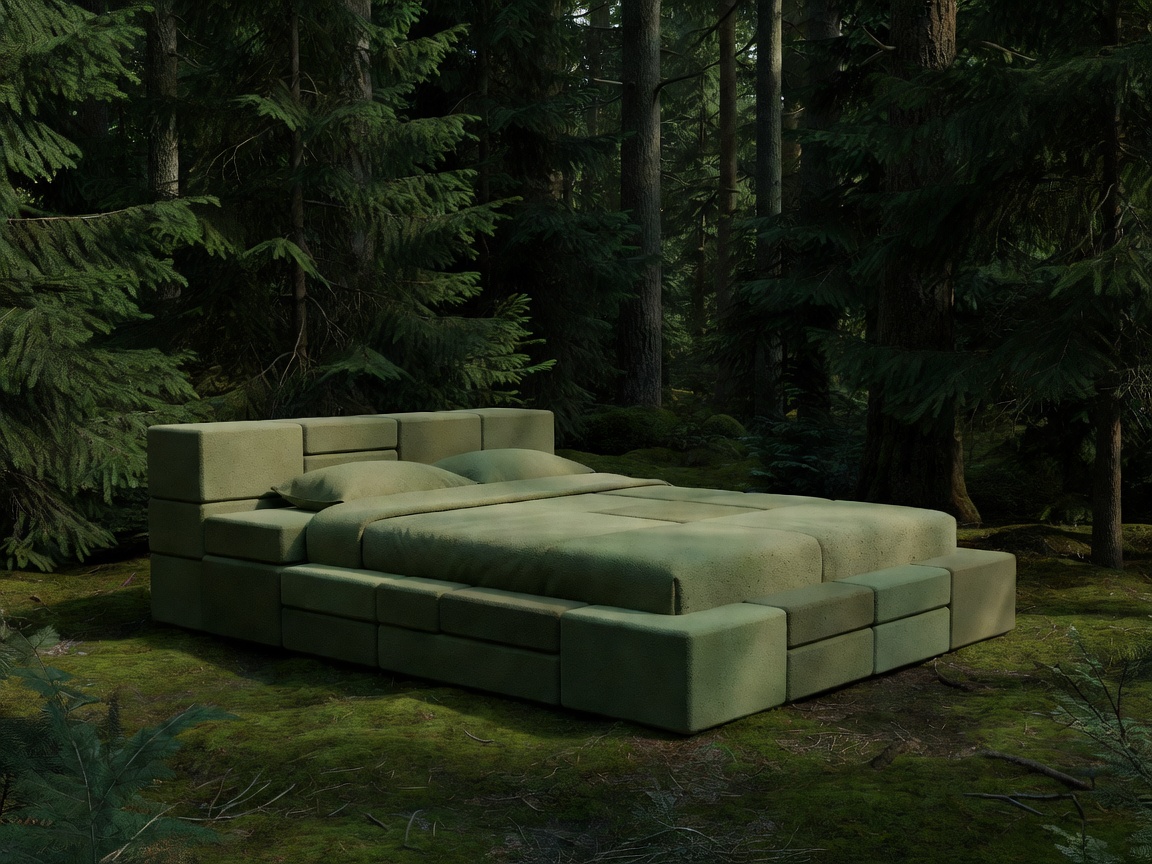
Modular seating
Rearranges for guests, film nights or a new flat. Trade-off: cushions can shift, and good-quality modules cost more than a basic sofa.
 Sleeping
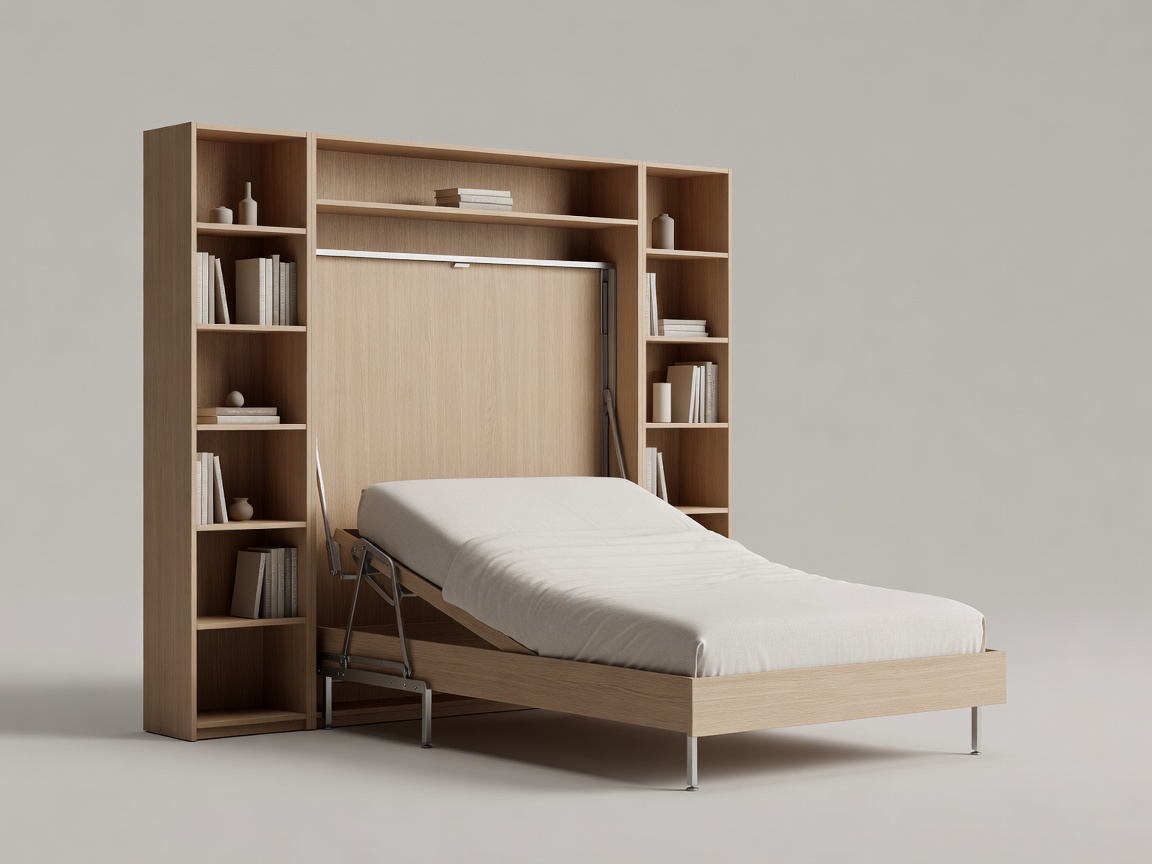
Wall beds
The Murphy bed, named after William Lawrence Murphy's early twentieth-century design, frees the floor by day. Trade-off: must be anchored securely and works best if folding feels effortless.
 Dining
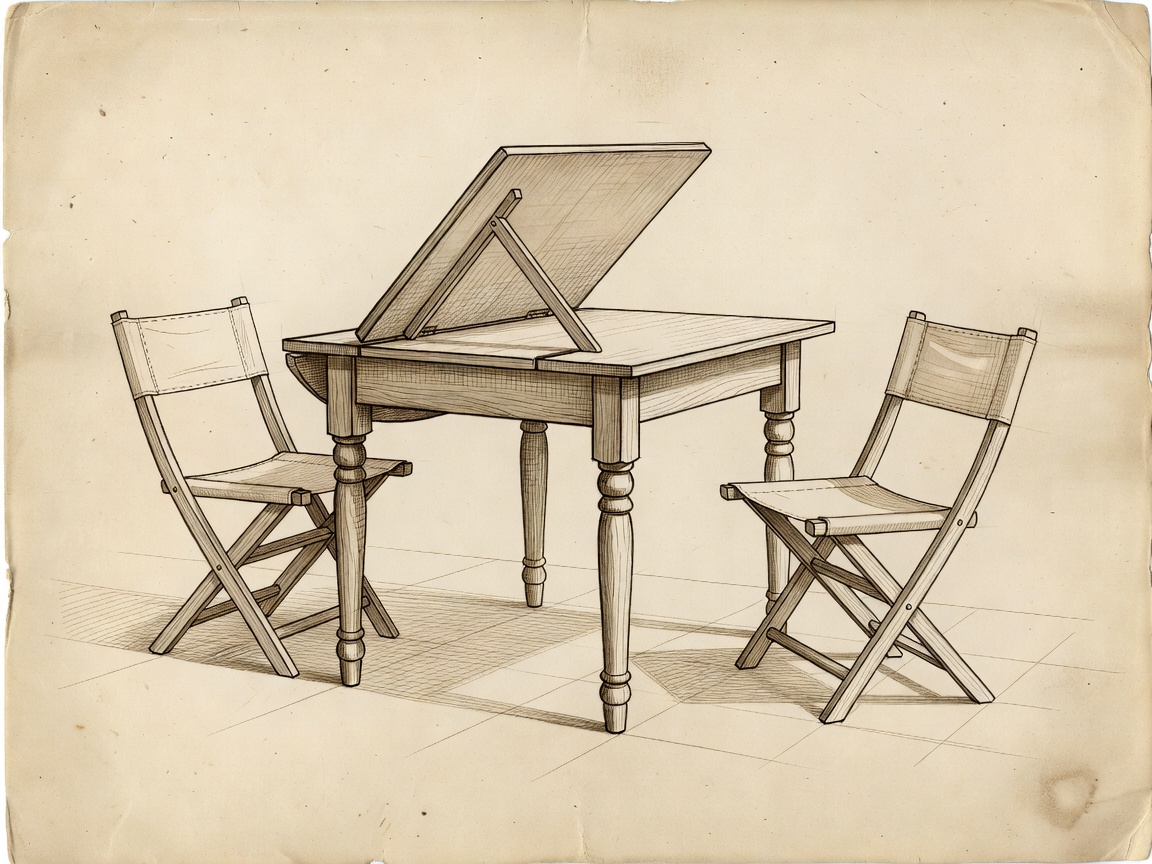
Drop-leaf tables
A narrow console most of the time, a table for four when needed. Trade-off: leg placement can be awkward for knees at the ends.
 Storage
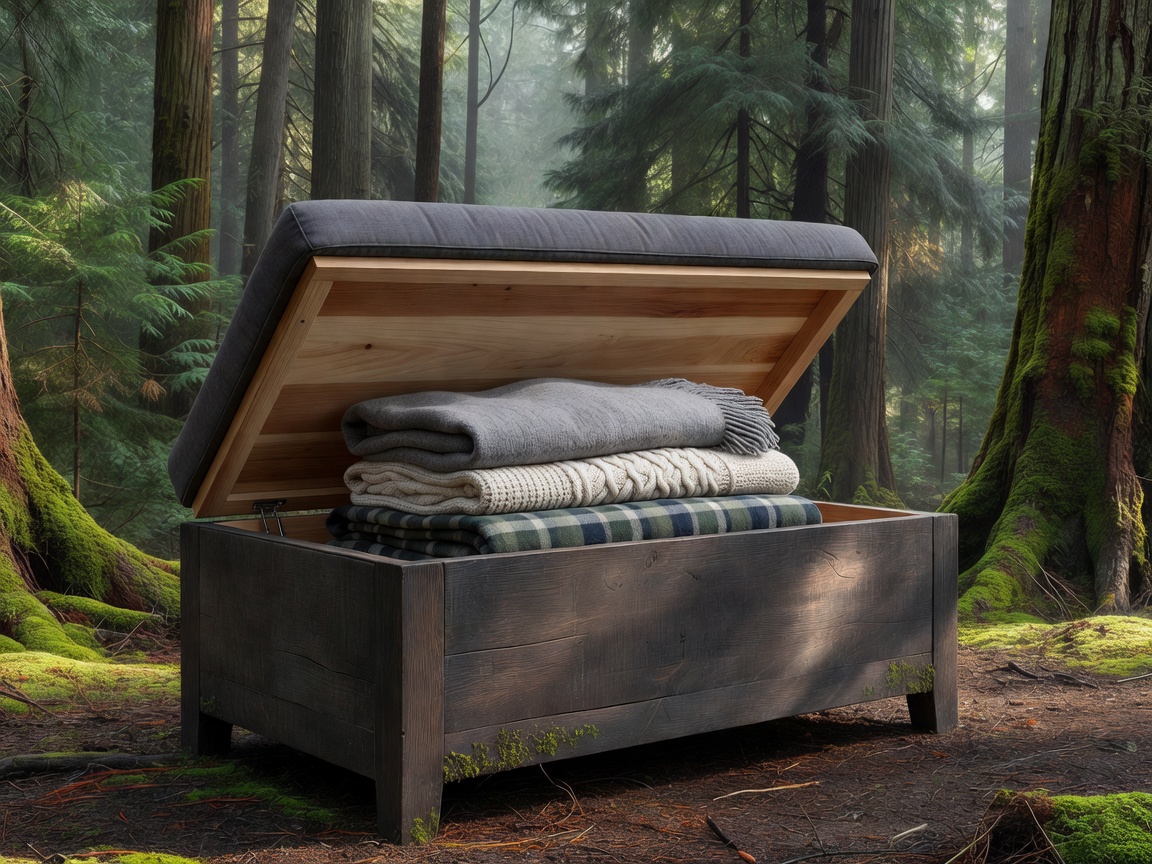
 benches
Seat, shoe store and blanket box in one. Trade-off: lifting the lid means clearing the top, so store seasonal items inside rather than daily ones.
Quick comparison
| Piece | Jobs | Typical setup | Renter-friendly? |
|---|---|---|---|
| Nesting tables | Side table, extra surfaces | Seconds | Yes |
| Fold-down desk | Desk, shelf, cabinet | Under a minute | With permission |
| Wall bed | Bed, cabinet, sometimes sofa | 1–2 minutes | Usually needs fixing |
| Drop-leaf table | Console, dining table | Under a minute | Yes |
| Modular seating | Sofa, guest bed, chairs | 2–5 minutes | Yes |
Buy for this home and the next
Renters often move every few years, so portability matters. Freestanding and modular systems tend to adapt better than built-ins. Dieter Rams's 606 Universal Shelving System, designed for Vitsœ in 1960, is a well-known example of furniture conceived to be extended and reconfigured over decades. Affordable ranges from retailers such as IKEA and Muji follow similar modular logic at lower prices.
Secondhand is worth considering too. Solid drop-leaf tables and bureau desks were made in large numbers for smaller post-war homes and often turn up in charity shops and online marketplaces.
When not to go multifunctional
If a single-purpose piece fits comfortably and you use it constantly, such as a proper bed you love, keep it. Multifunction is a tool for tight spots, not a requirement. Comfort and sleep quality usually outweigh a few extra centimetres of floor.